Back
AI Coaching for Team Communication: Why Personality and Context Matter

In most organisations, communication is constant: meetings, emails, messages, feedback.
Yet despite this, teams still experience:
The issue is rarely a lack of communication. It’s a lack of shared understanding.
Research consistently highlights the scale of the problem:
The gap is not effort, it’s how communication is interpreted, adapted and delivered in context.
Communication challenges are often subtle. They don’t appear as major conflicts at first, but they accumulate over time.
1. Directness Without Context
“Can you send me that report by end of day?”
Clear, but potentially perceived as abrupt or transactional.
Impact:
2. Feedback Without Clarity
“This could be improved.”
Well-intended, but incomplete.
Impact:
3. Tone Misinterpretation in Written Communication
“I don’t understand why this wasn’t done correctly.”
Often intended as a question or concern.
Received as:
Impact:
4. Assumed Alignment
“Sounds good, let’s move forward.”
Agreement appears to be reached.
Reality: Different interpretations of priorities and next steps, lack of ownership clarity
Impact:
Why This Happens
Effective communication requires more than clarity of message. It requires awareness of:
Most professionals are expected to navigate this complexity without real support in the moment.
Training provides concepts. Experience builds intuition.
But neither consistently supports day-to-day interactions as they happen.
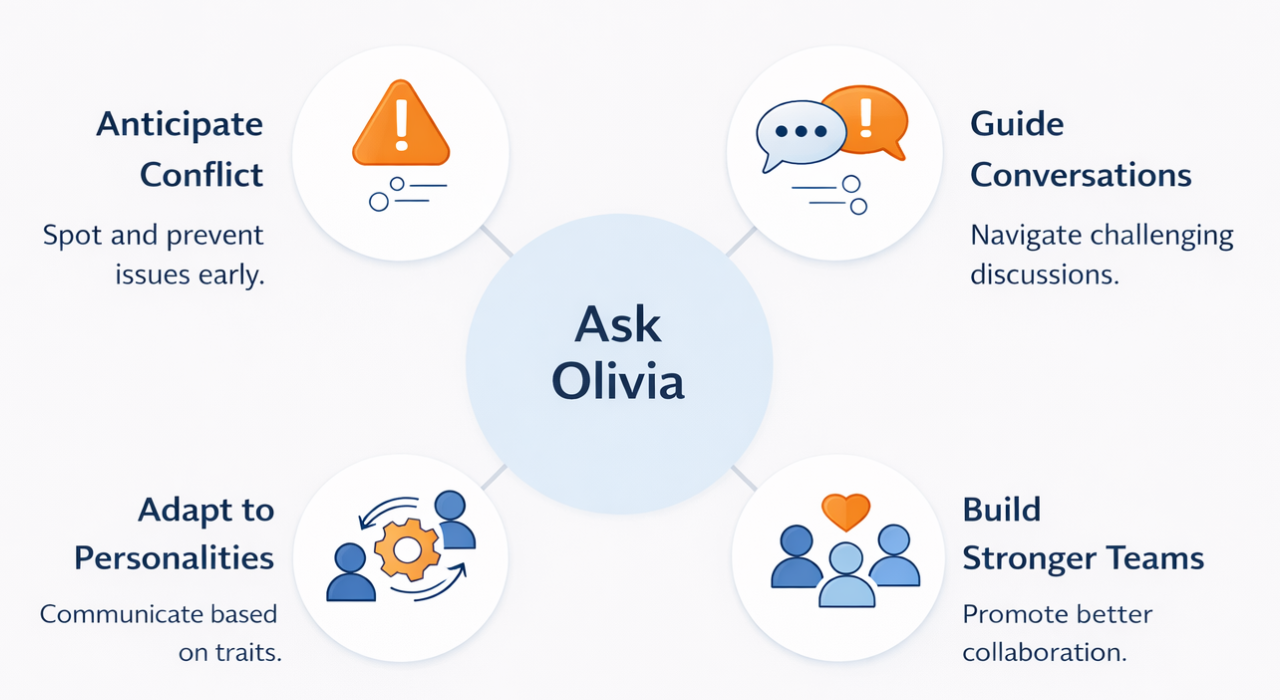
Ask Olivia is designed to support employees in the moments where communication decisions are made.
It acts as a real-time team coach, helping individuals adjust how they communicate based on context, intent and the people involved.
1. Clarifies and Refines Messages
Users can bring a message to Olivia before sending it:
Olivia helps to:
2. Adapts Communication to Different Individuals
Not everyone processes information in the same way.
Some value speed and directness, others prioritise context and relationship.
Ask Olivia is personality-aware and helps users adapt their communication style to the individual - improving understanding without overcomplicating the interaction.
3. Reduces Unnecessary Friction
Many workplace tensions are not driven by intent, but by interpretation.
Olivia helps to:
This enables teams to prevent friction rather than manage it later.
4. Strengthens Feedback Conversations
Feedback is one of the most sensitive areas of communication.
Ask Olivia supports users to:
The result is feedback that leads to improvement - not resistance.
5. Reinforces Consistency Across Teams
Over time, Olivia helps establish:
This reduces variability in how individuals interact and improves overall team effectiveness.
Before:
“Can you fix this?”
With Olivia:
“Could you revisit this section? Refining X would strengthen the overall outcome.”
Before:
Unclear next steps after a meeting
With Olivia:
“To confirm alignment - I’ll take ownership of X, you’ll handle Y, and we’ll regroup on Friday.”
The Outcome
Improving communication has a direct impact on:
Ask Olivia supports this by making better communication practical, consistent and scalable across the organisation.
Most organisations invest in strategy, technology and talent.
Fewer invest in how people interact on a daily basis.
Yet it is these interactions that determine whether teams operate effectively or struggle unnecessarily.
Ask Olivia focuses on this layer, helping individuals communicate with greater clarity, awareness and impact.
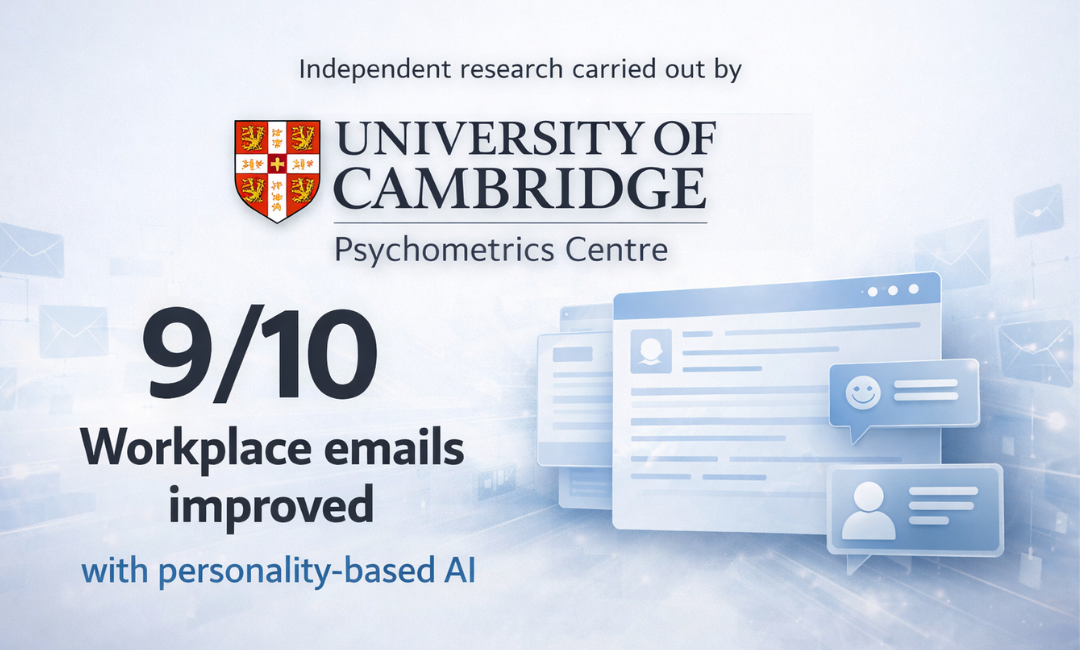
AI can be a powerful assistant for improving day-to-day communication at work - helping individuals structure their messages, choose the right tone, express ideas clearly and adapt their approach to different personalities - while always supporting, not replacing, human judgment.
Aligned with ICF AI Coaching Standards, Ask Olivia encourages reflection, builds self-awareness and supports more effective and constructive interactions. It helps individuals approach communication more thoughtfully, rather than relying on habit, assumption or reactive responses.
Used responsibly, AI can help individuals:
· Clarify their thinking before communicating
· Improve clarity and reduce ambiguity in messages
· Anticipate how communication may be received
· Structure messages in a clear, respectful and outcome-focused way
· Adapt tone and communication style based on personality and context
By combining personality-aware AI insights with your understanding of your colleagues, organisational culture, and professional judgment, communication becomes more intentional and effective.
The result is communication that is clearer, more consistent, and more human - building trust, strengthening relationships and improving how teams work together.

Ask Olivia works in the moment, when communication is actually happening. Instead of learning concepts and trying to remember them later, employees receive immediate, personalised support they can apply straight away.
Yes. Ask Olivia supports: Written communication (emails, Slack, Teams messages) Verbal communication (meetings, feedback conversations, difficult discussions) It helps users prepare what to say, how to say it, and how it may be perceived.
Yes. Many workplace conflicts stem from misinterpretation rather than intent. Ask Olivia helps users: Reframe messages that may come across as harsh Anticipate how communication might be received Choose more constructive language This reduces unnecessary friction before it escalates.