Back
What to Do When Your Team Isn’t Motivated (And Why Ignoring It Is Costing You More Than You Think)

At some point, every team manager notices it.
The quiet disengagement.
The drop in energy.
The “doing just enough” mindset.
Sometimes it’s just one person, sometimes it’s half the team and occasionally, it feels like everyone.
What makes this especially challenging is that lack of motivation rarely announces itself loudly. It shows up subtly - in missed opportunities, slower execution, less collaboration and a general sense that something is “off.”
And here’s the uncomfortable truth: doing nothing about it is not a neutral choice. It’s a costly one.
Employee motivation isn’t just a “nice to have”, it directly impacts performance and business outcomes.
In other words: motivation is not an HR issue. It’s a leadership issue.
Most managers don’t ignore motivation because they don’t care. They ignore it because they don’t know what to do, or they don’t have time.
Common causes include:
The problem? These issues are often invisible until they become expensive.
When even one person in your team is disengaged, it spreads.
And perhaps most importantly: You lose the team you could have had.
Most managers are stuck between:
You might recognize this:
So nothing happens.
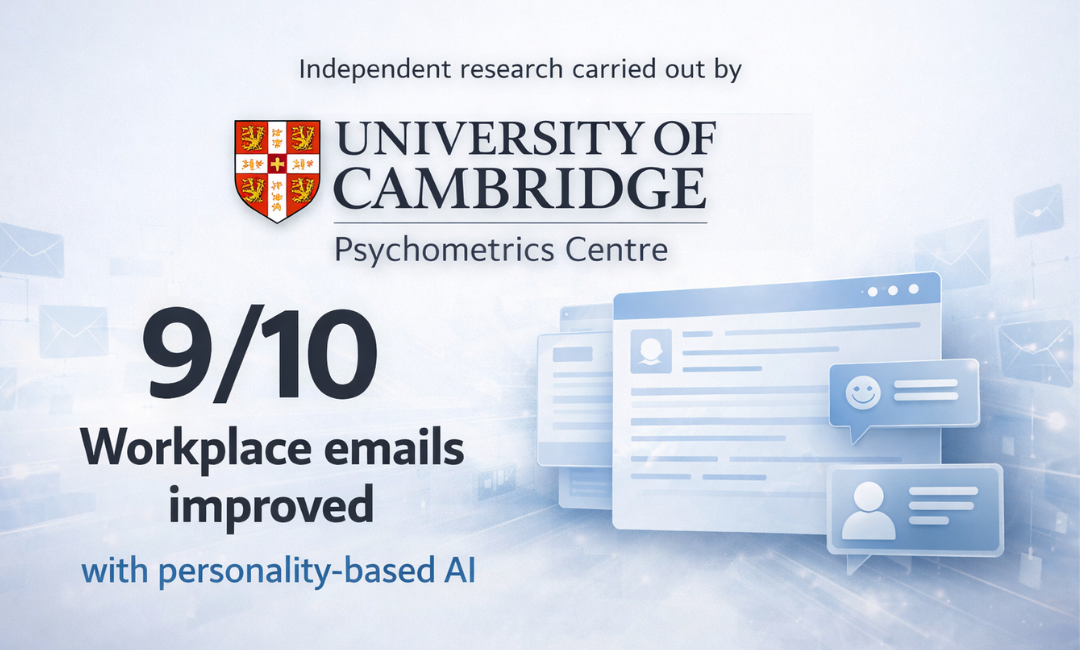
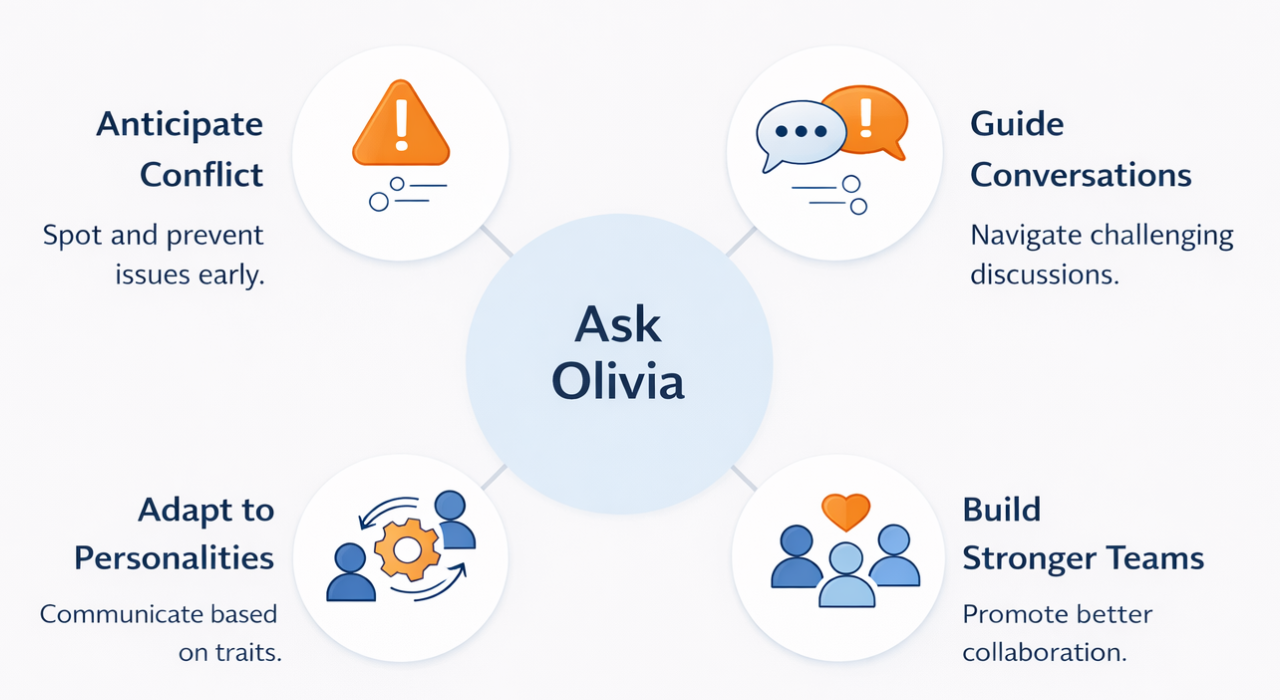
Ask Olivia in partnership with a leading expert at Cambridge University is your AI workplace coach, supporting every employee -not just leaders- to:
Instead of waiting for problems to escalate, Olivia helps surface and solve them in real time.
1. Issues Are Addressed Early: Small frustrations don’t turn into big problems.
2. Everyone Gets Support (Not Just a Few): You don’t need to coach each person individually, Olivia scales that support.
3. Teams Understand Each Other Better: Less friction, more collaboration.
4. Motivation Becomes Sustainable: Because people feel understood, aligned and effective.
If your team isn’t motivated and you’re not doing anything about it - despite having access to simple, effective tools - then you’re choosing to accept avoidable problems.
And in today’s environment, where solutions exist, it’s a leadership gap.
The difference between average teams and high-performing teams is rarely talent.
It’s clarity, communication, and consistent support.
Ask Olivia gives you all three, at scale.
AI can be a powerful assistant for managers working to motivate their teams - helping structure conversations, give recognition, frame feedback, and adapt communication to different personalities - while always supporting, not replacing, human judgment.
Aligned with ICF AI Coaching Standards, Ask Olivia encourages reflection, builds self-awareness and supports constructive dialogue, helping managers address motivation thoughtfully rather than relying on generic or reactive approaches.
Used responsibly, AI can help managers:
· Clarify their own thinking before addressing motivation challenges
· Anticipate how team members may respond to feedback or change
· Structure conversations in a clear, actionable and supportive way
By combining personality-aware AI insights with your knowledge of your team, company values and ethical coaching practices, you can foster motivation in a way that is genuine, sustainable and tailored - building trust, strengthening engagement and unlocking better performance across your team.

Partly, but not entirely. Managers influence up to 70% of team engagement. Motivation is shaped by clarity, communication, trust,and how people work together. Ignoring that reality puts unnecessary limits on your team’s performance.
That’s exactly the problem Ask Olivia solves. Instead of requiring more time, it helps you: address issues faster, avoid repeated misunderstandings, reduce firefighting later. Ignoring motivation doesn’t save time, it delays the cost.
Ask Olivia is not a survey tool or a generic chatbot. It’s an AI workplace coach that: supports every employee, not just leaders, focuses on real interactions (not just data collection), uses personality insights to improve communication and helps resolve issues before they escalate. It works in the flow of work, not as an extra task.